The Complete TCR Journey: Why Lifecycle Support Matters

Darrick Rejret
.jpg?iar=0&mw=1440&mh=810)
What Happens After You Choose a TCR? The right technology is important, but so is what comes next.
Learn how implementation, employee training, responsive service, and long-term support help keep your TCR program working for your branches.
Branch teams are being asked to serve customers with fewer employees while keeping cash processes accurate and controlling costs. Teller Cash Recyclers (TCRs) can reduce manual cash handling, but the hardware alone does not guarantee faster transactions, stronger adoption or a consistent return on the investment.
Choosing a TCR is only part of the equation.
The most successful cash automation initiatives aren't defined by only the hardware itself. They're defined by how effectively the solution is deployed, adopted, supported, and optimized over time.
Many organizations can provide a TCR. Far fewer can support the entire lifecycle of the solution.
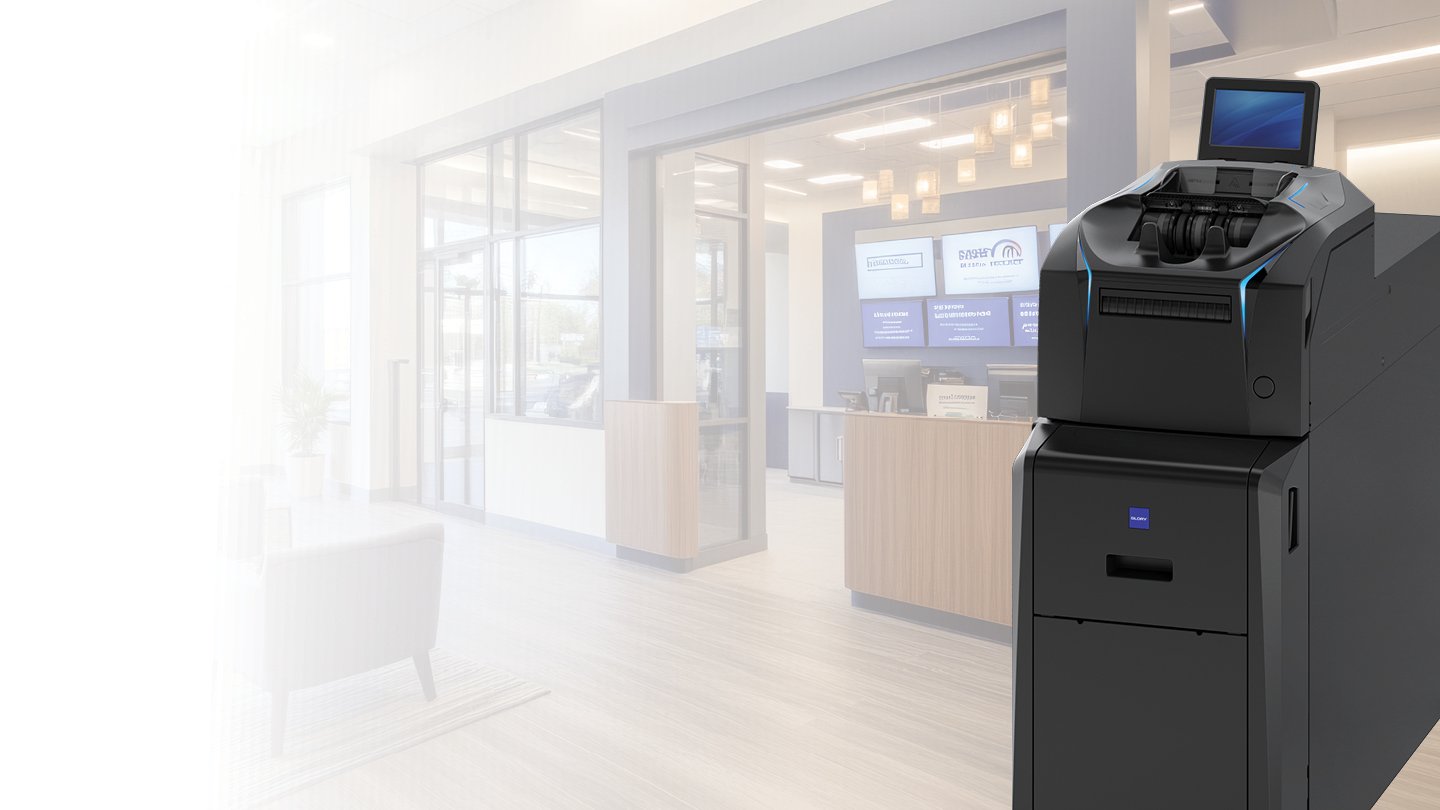
Glory supports the full lifecycle of a cash recycler – from planning and integration through training, service and ongoing support. Rather than relying on multiple vendors throughout the process, financial institutions work with Glory as the single partner accountable for every stage of the journey.
Here's what that lifecycle looks like in practice.
Built for Long-Term Performance
Every successful cash automation strategy starts with reliable technology.
Because Glory designs, engineers, manufactures, assembles and services its Teller Cash Recyclers with Glory employees, financial institutions can work directly with the teams responsible for the product throughout its lifecycle. That access connects customers to the people who understand the technology when questions or issues arise.
For financial institutions, that translates into:
- Proven reliability and performance
- Faster issue resolution through direct engineering access
- Consistent product enhancements and roadmap alignment
- Long-term support and product continuity
Glory introduced its first TCR to the U.S. financial institution market in 2000, and has continued developing cash handling, banknote recognition, and automation technology since then.
The result is a TCR solution backed by the product, engineering, service and support teams at Glory, and the expertise needed to keep branch operations running over the long term.
Accelerating Time to Value
Installing a TCR is the visible part of the deployment. The work behind the scenes is where Glory experts step in to prepare the branch, connect and integrate the technology, train employees and adjust daily cash-handling processes, all without disrupting daily operations. Glory's implementation methodology has been refined through more than 100,000 deployments worldwide. The lessons learned and knowledge gained have guided the team to create a repeatable process for planning, integration, testing, training, and branch rollout.
Glory's Professional Services team combines project leadership, technical integration specialists, business consultants, trainers, connectivity experts, and account management to help financial institutions accelerate adoption and maximize return on investment.
Working alongside branch and technology teams, Glory supports every phase of implementation, including:
- Branch readiness and workflow evaluation
- Solution configuration and testing
- Teller platform integration
- Network and connectivity validation
- User acceptance testing
- Change management and communication planning
This process helps institutions move from installation to daily use faster while limiting disruption for employees and customers.
Driving Adoption and ROI
A TCR creates value only when branch employees use it consistently in their daily work. Training and branch readiness help employees understand not only how to use the technology, but also how it supports their daily responsibilities and customer interactions.
Support includes:
- Instructor-led training programs
- Train-the-trainer enablement
- On-demand video learning resources
- Customized operating procedures and guides
These resources help accelerate adoption, improve consistency across branches, and reduce the impact of employee turnover.
When branch employees know how the TCR fits into their daily workflow, they can use it consistently. They spend less time handling cash, and they can focus their attention on serving customers.
Keeping Branches Running
Reliable service matters because a TCR outage can interrupt cash access and processes, and force employees back into manual processes.
Service response directly affects how quickly a branch can return to normal operations after a TCR issue. One of Glory's most significant differentiators is its direct nationwide service organization. Rather than relying on outsourced service providers, Glory supports customers with dedicated service professionals trained specifically on Glory solutions.
This model helps financial institutions benefit from:
- Consistent service experiences
- Faster issue resolution
- Direct escalation paths to engineering teams
- Access to priority parts and technical expertise
Glory reports 99.5% uptime performance and provides nationwide service coverage, helping institutions limit disruption and keep cash available when branches need it.
Supporting Future Branch Transformation
A TCR deployment is not the end of the journey.
As branch needs change, institutions may need to adjust processes, explore new systems, expand automation and train new employees.
That's why lifecycle support extends far beyond implementation and maintenance.
Financial institutions continue to partner with Glory to:
- Optimize branch workflows
- Expand automation capabilities
- Support core and system integration changes
- Address new training needs
- Navigate broader branch transformation initiatives
By maintaining a long-term support partnership, institutions can continue adapting their operations as branch workflows, systems and staffing needs change to make the most of their TCR investments.
Why the Lifecycle Matters
Hardware specifications matter, yes. But Glory’s belief is that implementation expertise, employee adoption, responsive service, and ongoing support frequently have a greater impact on outcomes than the equipment alone.
We support the process end-to-end – because Glory designs, deploys, trains, and services the solution, institutions have one accountable partner throughout the TCR lifecycle.
"The hardware is only one part of the decision. At Glory, we believe in the full lifecycle of the product. Financial institutions also need support training their teams and servicing the device to help them get more value from it over time. The full lifecycle is where Glory can make a difference." — Darrick Rejret, Product Manager, Glory
A Lifecycle Approach That Delivers Lasting Value
TCRs can reduce manual cash handling and free branch employees to spend more time with customers, but those results depend on how well the solution is implemented, adopted, and supported over time.
But achieving those outcomes requires more than selecting the right technology. It requires selecting the right partner that can install the TCR correctly, prepare employees to use it, and keep it running after deployment.
Glory supports our cash recycling products from design and deployment through training and service, giving financial institutions one source of accountability over the life of the solution.
Beyond the question, "Who provides the TCR?", a better question is who will remain accountable for the TCR’s performance, service and value over the next ten years.
Looking Beyond the Technology?
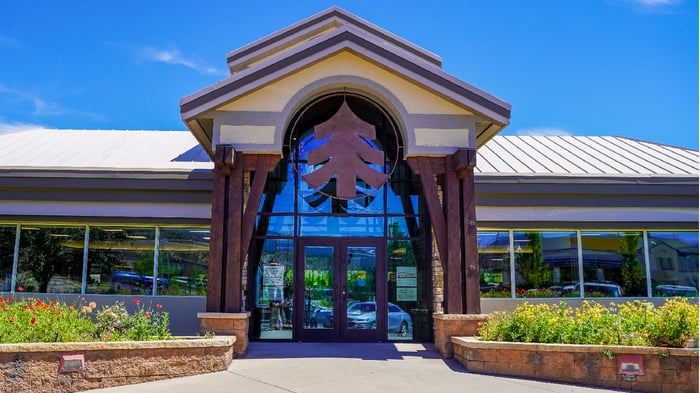
How Alpine Bank Strengthened Relationship Banking
Learn how Alpine Bank modernized branch cash operations with the GLR-100 Teller Cash Recycler while staying focused on the personalized service experience customers expect. Discover how technology, service, and partnership came together to deliver measurable results.